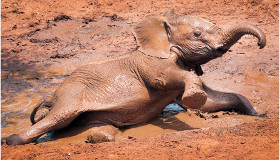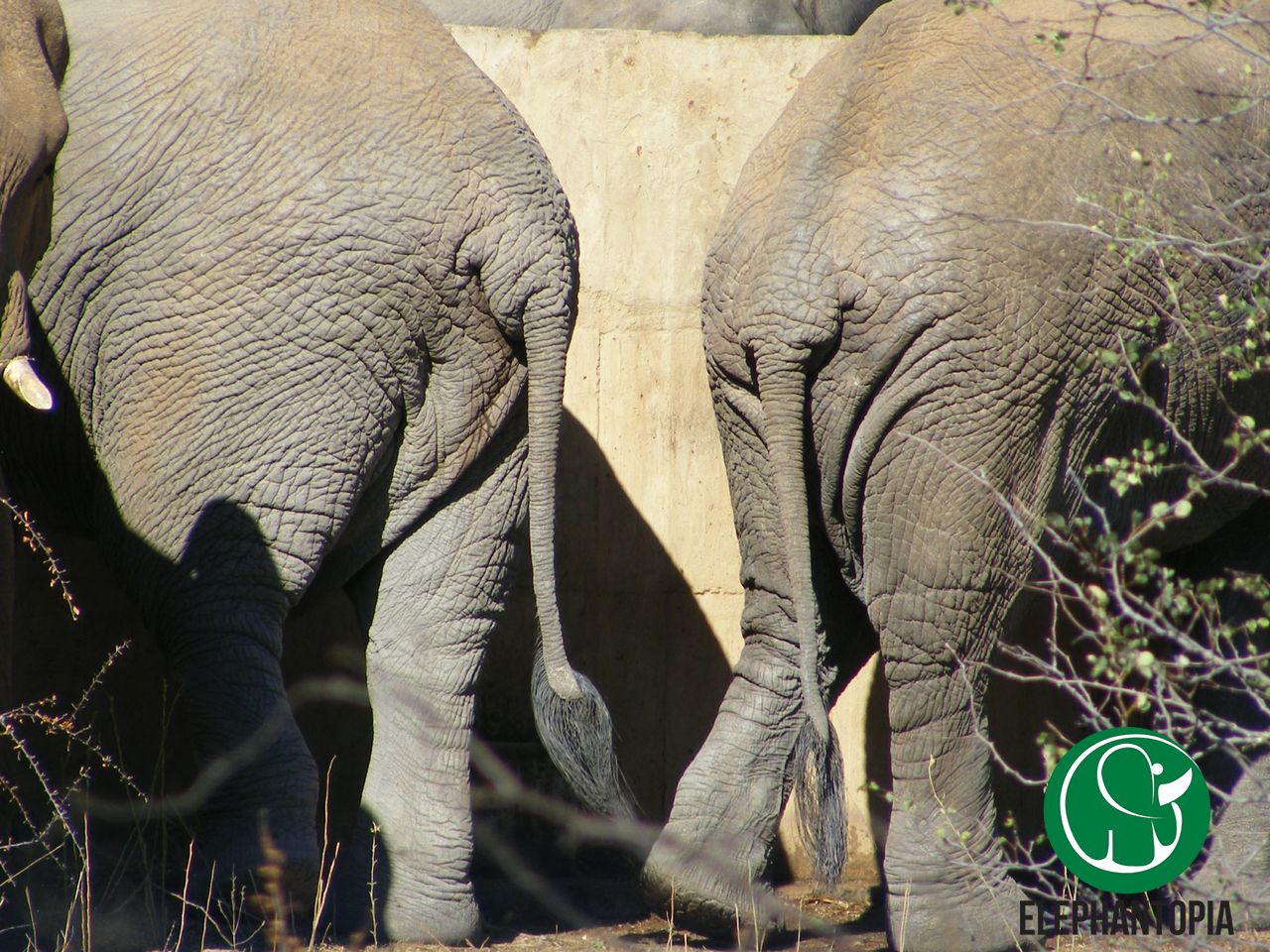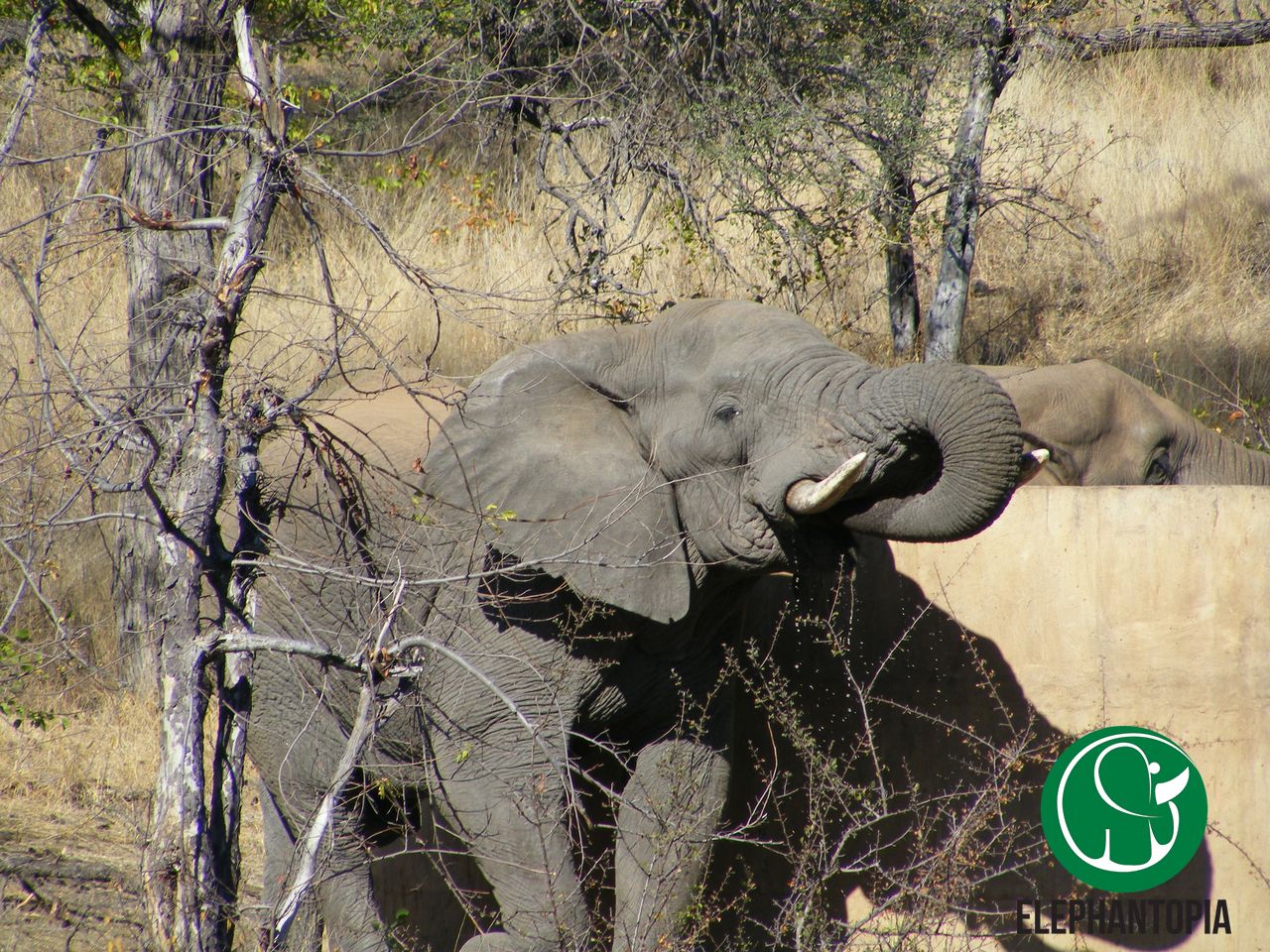
This Happy Weekend video will bring a smile as you see how gentle an elephant can be!

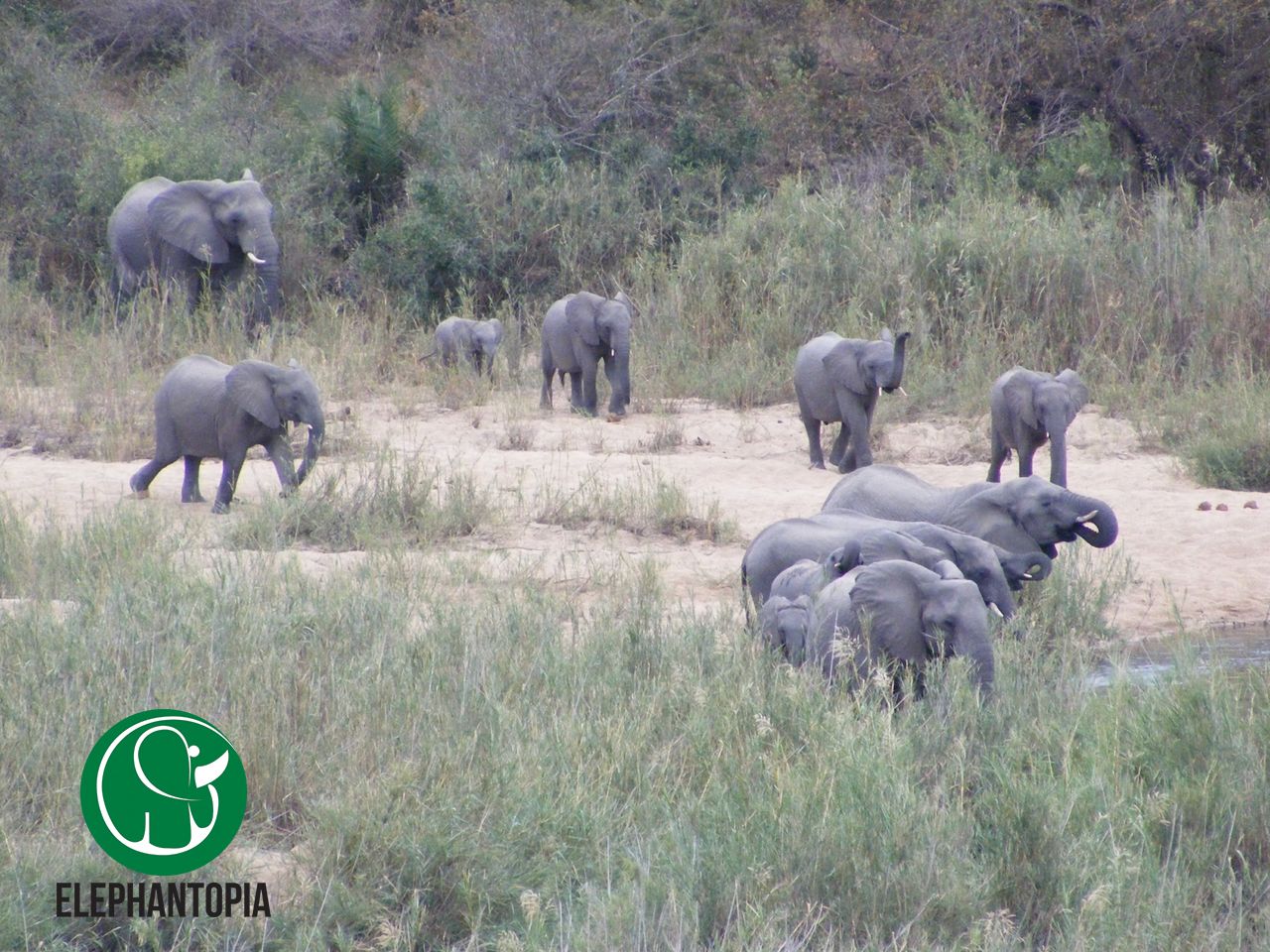
Beautiful herd of elephants shared from: http://www.photowall.eu/canvas/a-herd-of-elephants-in-the-wild
Started by the United States Senate, Endangered Species Day is the third Friday in May. According to Stop Extinction, this day is intended for Americans, young and old, to learn about
the importance of protecting endangered species and everyday actions that people can take to help protect our nation’s disappearing wildlife and last remaining open space. Protecting America’s wildlife and plants today is a legacy we leave to our children and grandchildren, so that all Americans can experience th rich variety of native species that help to define our nation.
Elephantopia is taking this special day one step further, to share about the importance of elephants since they are currently listed as endangered, some even near extinction. Today, we celebrate the African, Asian & Forest elephants. Please take a moment to tell a friend about this blog, our facebook page, and follow us on twitter to raise awareness about these magnificent creatures. We love elephants and know the important role they play in the world. It is our intention through this blog, Facebook and tweets to inform people about elephants. We believe that as more people learn about elephants, they too will become advocates for these amazing creatures.
Today, consider signing the Elephant Charter. It’s intent is to
Promote scientifically sound and ethical management and care of all elephants, providing guidance to law and policy makers, enforcement agencies and the courts, organizations, institutions and international bodies, as well as to managers of wild and captive elephants.
By adding your name, you will join with signatures like Joyce Poole, Cynthia Moss, Raman Sukumar, Andrea Turkalo and Katy Payne.
Not so long ago I shared three stories of hope for elephants, one of which included Thandora, the zoo elephant being reintroduced to the wild at Gondwana’s Game Reserve. Here is a video update of her journey, and if you would like to continue to check up on her, visit her diary HERE for the latest updates on her whereabouts, interactions with other elephant herds, and adventures.
Elephants love their family. And elephant mothers are the leaders, caring deeply for their herds. Baby girls live with their mothers forever, baby boys live with their mothers for their first 14 years. So HAPPY MOTHER’S DAY to all wonderful mothers out there, elephant and humans alike!
Sweet video of a baby elephant in Tanzania dancing around in the wild. Happy Weekend!
It’s May 2013. In May 2014 I hope to be in Thailand. That’s a year from now, and although some might say it’s too early to start planning, I’m too excited not to! Here are some of my reasons for the trip:
1. I’m a musician. But I absolutely love elephants. I always have. And I want to work with them, educate the public about them, raise awareness of their survival issues and capture their magnificent lives on film. I had the opportunity to live in South Africa in 2009 where I met many elephants in the Kruger and surrounding game reserves in the Mpumalanga region. I cried when I left them; I felt like I was supposed to be with them forever.
2. I don’t know a lot about Asian elephants. Most zoos in the U.S. keep Asian elephants, so naturally my first elephant encounter was with an Asian elephant at quite a young age. I’ve never seen them in their natural habitat, so this is my number one reason to visit Thailand. The experience gained from living with the elephants in South Africa made a permanent imprint of awe for elephants in my heart. I believe spending time in Thailand will do the same.
3. Travel runs through my blood. I can’t sit still, and so as I save my money this year, I look forward to the trip by living vaicariously through the trips of others. From my research there seem to be three great places to work with the elephants in Thailand: Elephant Nature Park, BEEs Ele-Sanctuary and BLES. (Below are photos and videos of both. And if YOU know of any other places, please comment below to aid in my plans. Thanks!)
So what do I hope to accomplish in Thailand? For starters, I want to see what’s going on with elephants. This means walking in cities and villages, where elephants and humans mingle together. That means spending quality time at sanctuaries where elephants are rescued from abuse and relationships between mahout and elephant are retaught in positive manners. This means visiting local markets and temples to experience the spiritual and practical relationship between elephant and humankind. This means NOT riding an elephant, no matter how tempting. It is damaging physically to the elephant and is not a way I want to encourage locals to earn an income. (I learned a lot about this by reading THIS TRAVEL BLOG about a family traveling to Thailand and THIS ONE on responsible tourism.)
As recent founder of Elephantopia, I am also seeking ways to support and partner with other organizations that are seeking a harmonious future for both elephants and humans. In this exploratory journey, I will be looking to see how this can be (and possibly how it currently is being) practically done.
It’s been said, “A traveler without observation is a bird without wings.” On this trip, I hope first and foremost to observe. To learn from Thailand: the people, the elephants, the country. For I believe that from observation, innovation for a better future for elephants and humans will emerge.
Video shared from volunteer at the Elephant Nature Park:
HAPPY WEEKEND! This touching video is a great example of how an elephant family cares for one another.
Although we mourn for the loss of rhinos in Mozambique, we are thankful to hear three wonderful stories of hope for elephants this week.
First: THE STORY OF THANDORA
This heartwarming story comes from South Africa where a captive elephant is being set free on the Gondwana Game Reserve. The game wardens have worked with her extensively to strengthen her muscles and prepare her for this new adventure. They are staying with her as she is adjusting to the wild (her experiences with her first wild rabbit and rhino are charming to read) and the elephant family that lives in the reserve is slowly accepting her into their clan. Continue to follow her adventure by checking up on Thandora’s Diary.
Second: THE STORY OF TIM
Traveling north to Amboseli in Kenya, there lives a strong, old bull elephant named Tim. He holds some of the largest known tusks to any elephant alive, each weighing at least 100 lbs. He has been recently spotted by the Amboseli Trust for Elephants so they are thankful to see him alive and doing well.
Although we don’t know the details of where this elephant is, this story will definitely bring you a smile!
The biggest Nike shoe ever was not made for a tall basketball player, but for an elephant with a limp.
A PR representative for the sneaker company shared a photo of this gargantuan piece of footwear on Twitter, explaining that the shoe was engineered to help one elephant find balance, since one of its legs was shorter than the others. The leather sneaker is designed to look like elephant skin, and it features stylish white buckles on the heel, grey shoelaces, and remnants of baby pink trademark Nike swooshes on the sides. No details about the age or size of the shoe or elephant were given, but from its tattered appearance it would appear the sneaker was well worn.
Read more and see other photos HERE
In this short 3-minute clip, Joyce Poole explores how elephants communicate through play. Here are few quotes from the full article from National Geographic (read more about the nine overarching vategories that Joyce Poole and Petter Granli have categorized to decode elephant gestures HERE)
Elephants may use a variety of subtle movements and gestures to communicate with one another, according to researchers who have studied the big mammals in the wild for decades. To the casual human observer, a curl of the trunk, a step backward, or a fold of the ear may not have meaning. But to an elephant—and scientists like Joyce Poole—these are signals that convey vital information to individual elephants and the overall herd….
Sense of Humor
Poole recalls how elephants at play used to charge her car, appearing to trip and fall while tusking the ground (tusk-ground gesture) in front of her vehicle. “I used to think that they really did trip—no longer!” Poole said. “I have seen it enough times to know that pretending to fall over in front of the car is all part of the fun. It is one of the behaviors that led me to say that elephants have a sense of self and a sense of humor. They know that they are funny.”